

Every business is built on valuable assets—whether people, infrastructure, or equipment. Fire protection is essential to preserving these assets and should be a key strategic decision. The challenge lies in achieving effective fire safety while keeping costs manageable and ensuring the business remains profitable.
Learn the key differences between fire protection using Passive systems vs. Active systems.
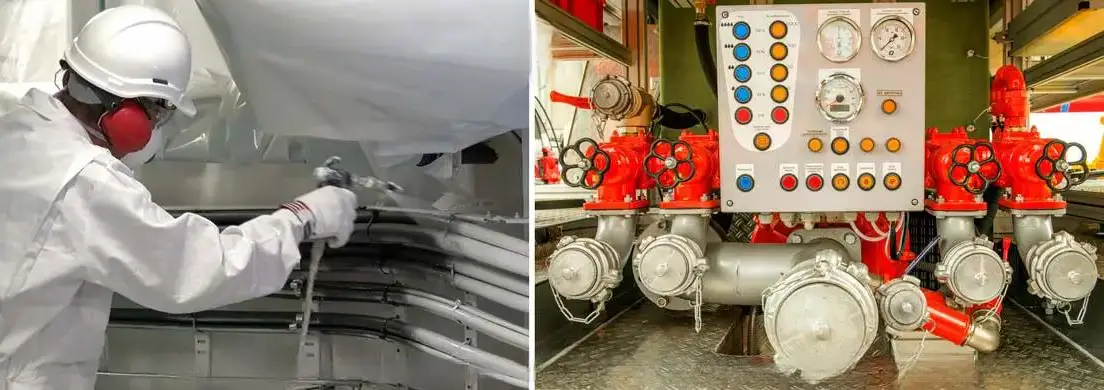
Active fire systems such as suppression, extinguishers, and firefighting installations are costly to install and maintain, and they might even fail during a fire. Passive Fire Protection (PFP), on the other hand, requires no upkeep once applied—no yearly inspections or service calls—making it a more economical and reliable long-term solution. In many cases, passive protection, especially for cables, can serve as an effective alternative to active systems. Options include coatings for structural steel, firestop systems, and fire-retardant treatments for cables and surfaces.
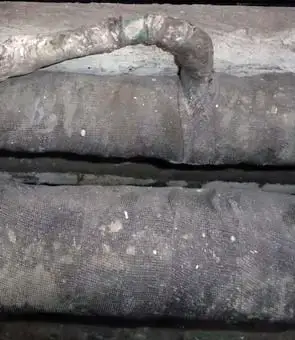

Cable fires pose a significant risk, particularly in high-rise buildings and industrial settings. Flames can travel along electrical cables at speeds of up to 20 meters per minute, compromising the entire system. Many industrial fires are triggered by electrical faults, and when fire containment fails—often due to inadequate maintenance or underperforming active systems—the resulting damage to infrastructure and equipment can be catastrophic.
This is where passive fire protection systems play a vital role. These systems are not reliant on activation; instead, they are built into the structure to contain fire at its point of origin and prevent its spread.
Implementation includes:
Unlike active systems (sprinklers, alarms), passive systems work silently and continuously, making it, “The first line of defence against fire”.
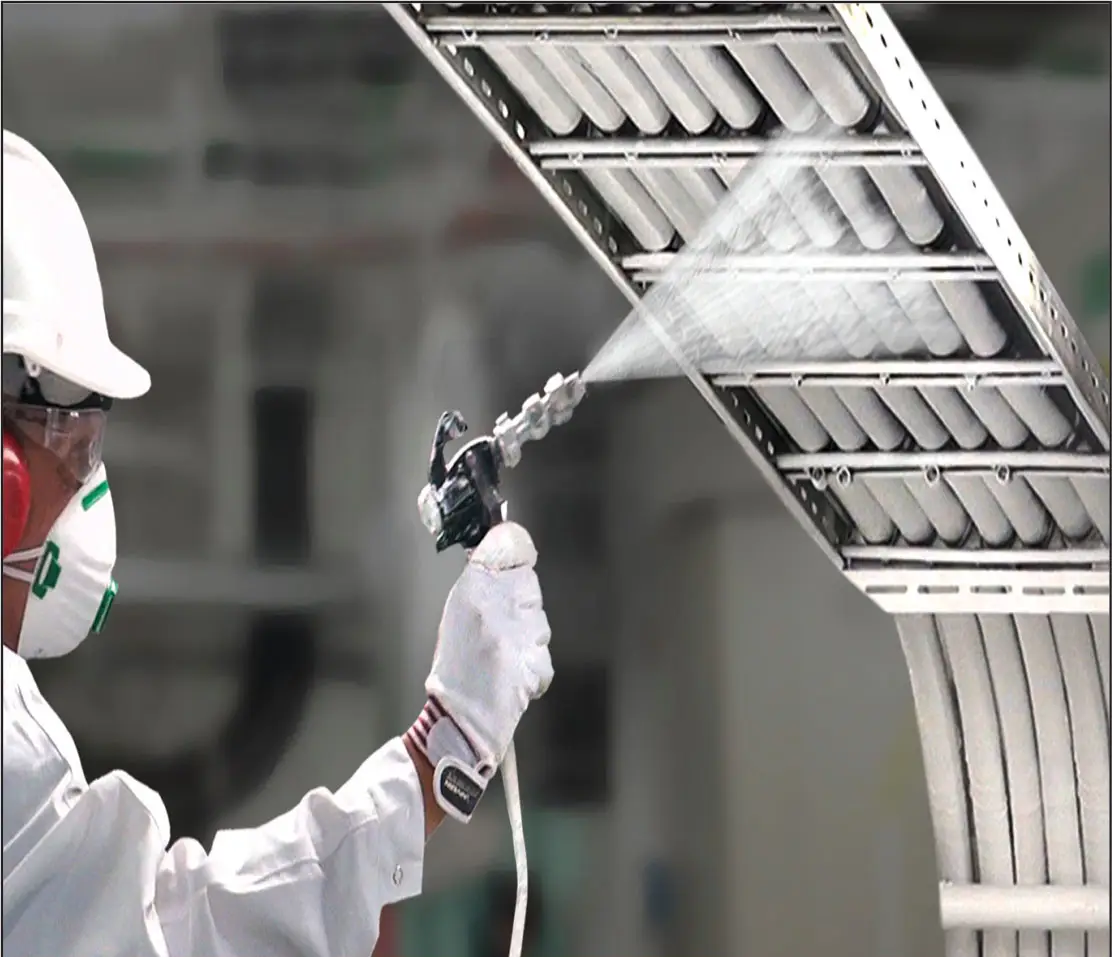
Passive fire protection stops fire from traveling along electrical cables, which are essential for any asset to operate. One of the most effective methods is cable coating. Unlike wrapping, which only insulates, coating helps suppress fire at the source—be it panels, switchgear, or machinery—minimizing damage and reducing operational downtime. Since HV, LV, and data cables are usually custom-made and not readily available, replacing them can cause weeks of disruption. In large-scale operations, this downtime could result in daily losses worth millions. Insurance might cover some damage—but not lost clients or disrupted businesses.
There are many cable wrapping products available, but most older options only slow flame spread rather than stopping it. Today’s high-grade fire-resistant coatings can actively fire-rate both individual cables and full cable trays. For credibility, these products should be tested by accredited labs like CBRI or ERDA. SafeCoat, an Indian company, offers a next-generation cable coating that provides full fire resistance, zero flame spread, zero halogens, low smoke, and non-toxic emissions—meeting standards for both above the ground and underground transports.
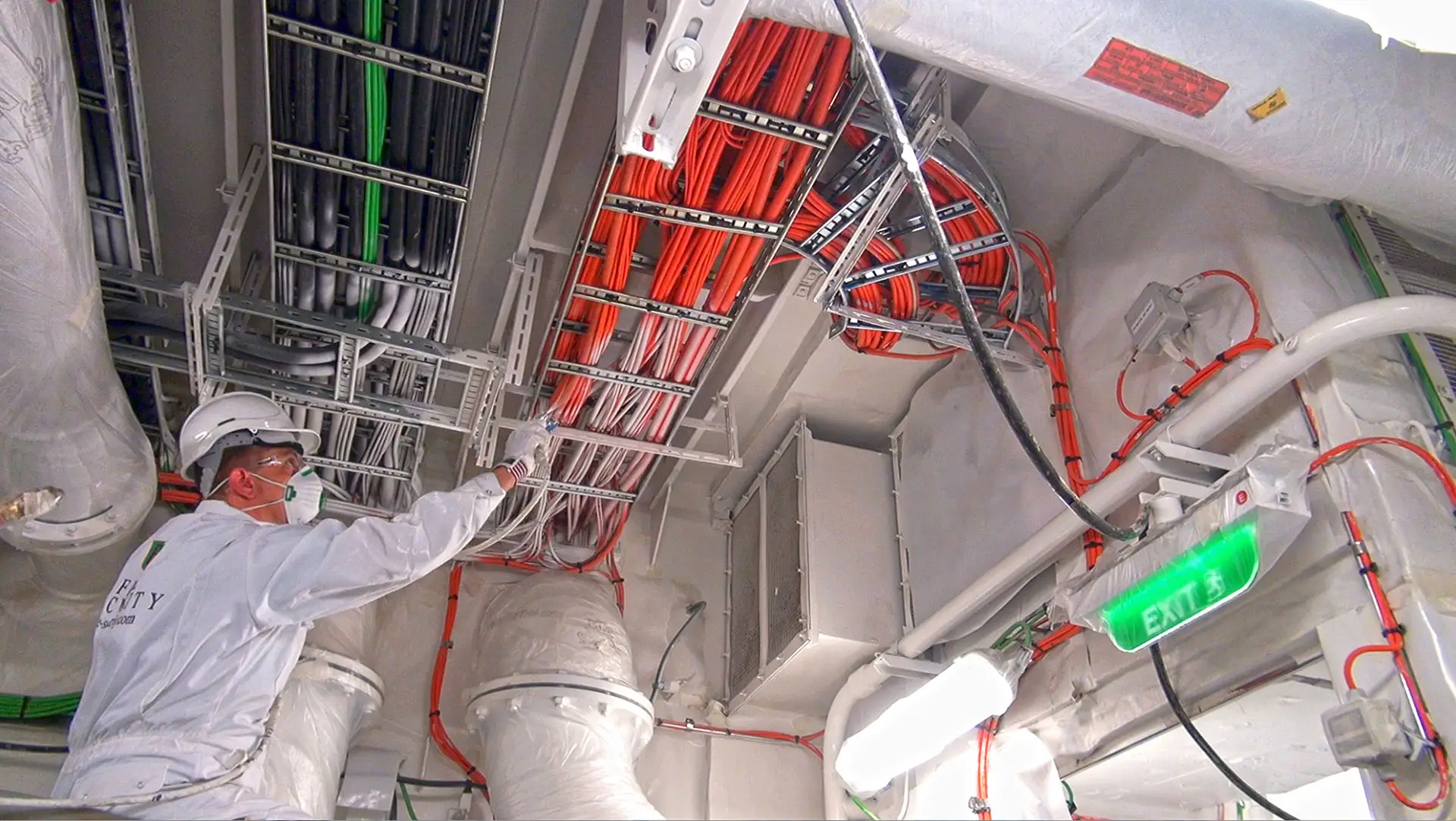
Applying cable coating is a proactive measure to safeguard critical infrastructure by preventing flame propagation and reducing the need for costly cable replacement. While fire-rated cables offer a degree of protection, they often require full replacement after a fire incident. In contrast, coated cables are shielded by a sacrificial fire-retardant layer that helps preserve their functionality, enabling faster system recovery and minimizing operational downtime.
At its core, this is a strategic investment—choosing to implement effective fire protection today to mitigate risk, protect assets, and ensure business continuity tomorrow.
Because in fire safety, it’s not a matter of IF—it’s a matter of WHEN.
For expert consultation and end-to-end passive fire protection solutions across India, connect with SafeCoat Fire Solutions.